Fence Costs for Homeowners: Map 100–200 Feet for Accurate Quotes
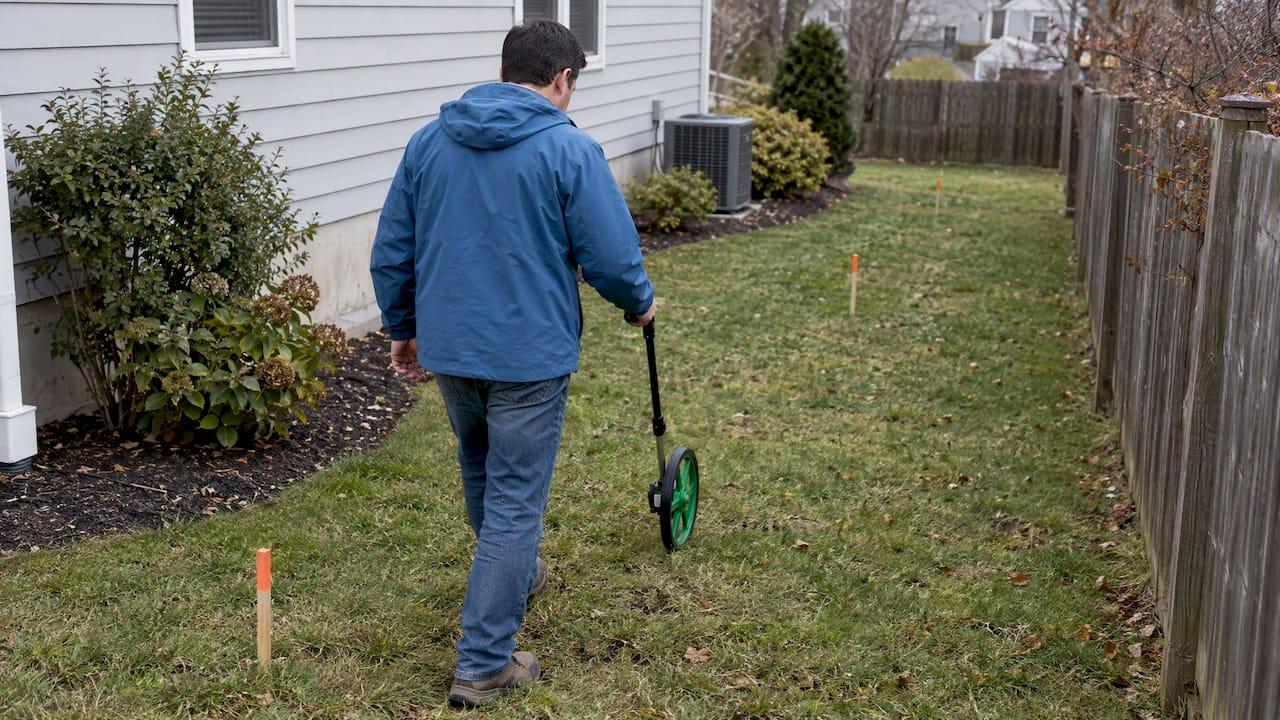
Fence installation costs vary depending on material, project length, gates, and site conditions. Get a site-specific estimate for a reliable figure. Material choice, total length, number of gates, grading needs, and permit fees all swing that number. The fastest way to get a real figure is to measure your linear feet, then run those numbers through a structured roofing cost estimate guide or a site-specific estimator.
TL;DR:
- A 150 foot project typically costs $2,550 to $6,750, while permits add $100 to $500 and surveys can cost $200 to $1,200.
- Each gate adds $300 to $1,500, and grading, stump removal, old fence disposal, or difficult access can add a few hundred dollars depending on scope.
- Call 811 before digging because utility marking is free in most states, and check permit and HOA rules before ordering materials to avoid redesigns.
- Save by choosing standard height, simpler hardware, or off season scheduling; leave post setting and gate alignment to professionals for fences over 100 feet.
Table of Contents
- Quick Cost Snapshot: What 100 to 200 Feet of Fencing Actually Costs
- Cost Per Foot by Material: Wood, Vinyl, Chain-Link, Aluminum, Composite, and Wrought Iron
- Permits, Surveys, Grading, and Labor: The Fixed Costs People Forget
- How to Estimate Your Own Fence Project in Five Steps
- Where You Can Save Without Cutting Corners on Durability
- How Long a Fence Project Takes From Planning to Completion
- Hidden Costs That Catch Fence Buyers Off Guard
- DIY vs. Professional Installation: What the Cost Difference Really Buys
- Why Fence Prices Vary So Much by Region
- Why a Mapped Plan Beats a Phone-Call Estimate
- Get a Site-Specific Fence Estimate Instead of a Rough Guess
- FAQ
- Sources
Quick Cost Snapshot: What 100 to 200 Feet of Fencing Actually Costs
Fence project costs vary widely, with the spread driven largely by material grade and project length. A basic chain-link job sits at the low end. A tall vinyl privacy fence with two gates sits at the high end.
Project length and the installed cost per foot both affect the total. Get an estimate based on your measurements and chosen material.
- 100 linear feet: about $1,700 at the low end to $4,500 at the high end.
- 150 linear feet: about $2,550 to $6,750, the range most backyard projects fall into.
- 200 linear feet: about $3,400 to $9,000, typical for a full perimeter on a standard residential lot.
Vinyl fencing alone typically runs $15 to $40 per linear foot installed, with a common total project example landing around $4,045 and a realistic range of $2,292 to $5,799. That one material band explains a large chunk of the overall spread you will see between quotes.
Ranges vary this much because a quote is really three things stacked together: the material itself, the labor to install it, and the site conditions that make installation easier or harder. A flat, obstruction-free yard with no gates costs far less to fence than a sloped lot with two gates and a tree stump in the fence line.

Cost Per Foot by Material: Wood, Vinyl, Chain-Link, Aluminum, Composite, and Wrought Iron
Material is the single biggest lever in your budget, and it also determines how much you will spend over the life of the fence, not just on installation day. Our fence installation cost per foot breakdown walks through 2026 pricing by region, but the ranges below cover the national picture.
- Wood: generally the most affordable traditional option, though price climbs fast with height, picket style, and whether you choose cedar, pine, or a composite-wood hybrid; it may need periodic staining or sealing to help avoid rot and warping.
- Vinyl: $15 to $40 per linear foot installed, with cost rising for taller privacy panels and decorative post caps; it needs almost no maintenance but a cracked panel usually means replacing the whole section.
- Chain-link: typically the lowest cost per foot of any common material, with price increasing for taller heights, vinyl coating, and privacy slats; it can last a long time with minimal upkeep but offers no privacy on its own.
- Aluminum: mid-range pricing that climbs with ornamental scrollwork and taller panels; powder coating resists rust well, but scratches can expose bare metal over time.
- Composite: priced closer to premium wood or vinyl, with cost driven mainly by panel style and color; it resists rot and insects and avoids the repeat staining cost that wood requires.
- Wrought iron: among the most expensive per foot due to material weight and custom fabrication, with cost rising sharply for decorative detail; it needs periodic repainting to prevent rust unless powder coated.
Post spacing and panel width also move the number within each material. Wider panel spacing means fewer posts and less concrete, which lowers labor hours, while a fence with closer post spacing adds materials and labor across the whole run. Our fence materials and climate fit guide covers how each option holds up in different weather patterns if durability is a bigger factor for you than upfront price.
Permits, Surveys, Grading, and Labor: The Fixed Costs People Forget
Material and labor are only part of the bill. Several fixed costs show up regardless of what fence you choose, and skipping them can cause expensive problems later.
- Permits: most municipalities charge $100 to $500 for a residential fence permit, and requirements vary enough by city that checking local rules before you budget is worthwhile.
- Property surveys: a professional survey typically costs $200 to $1,200 and confirms exactly where your property line sits, which can prevent a dispute with a neighbor or a forced teardown later.
- Labor: fence erectors earn a mean hourly wage of $22.43 and a mean annual wage of $46,650, and that wage data helps explain why labor often makes up close to half of a typical installed quote once crew size and job duration are factored in.
- Site extras: grading a sloped yard, removing stumps or trees in the fence line, hauling away an old fence, and marking buried utilities can each add a few hundred dollars depending on scope.
Pro Tip: Call 811 before digging, since utility marking through 811 services is free in most states and hitting a buried line can cost far more than the fence itself.
Our fence labor cost calculator can help you get a labor-specific number before you get quotes.
How to Estimate Your Own Fence Project in Five Steps
Getting from a rough idea to a usable budget takes less time than most homeowners expect if you work through it in order.
- Measure your property line in linear feet, either by pacing it off, using a tape measure, or tracing it on a map tool.
- Count every gate and opening you need, since each one adds hardware and framing cost beyond the plain fence line.
- Note slopes, tree roots, and access points, because a crew that has to hand-carry materials around a house costs more than one that can drive a truck to the fence line.
- Pick your material and apply its per-foot band from the ranges above to your total linear footage.
- Add allowances for posts, concrete, and gates on top of the per-foot material number, since those are often priced separately from the panel itself.
A single gate typically adds $300 to $1,500 depending on size and hardware, and concrete footings for posts add a per-post cost that scales with how many posts your spacing requires.
- Use a basic fence cost calculator when you just want a ballpark range to compare against your savings.
- Use a site-drawing tool like the Fence Estimator when you want contractor-ready numbers tied to your actual property.
Where You Can Save Without Cutting Corners on Durability
A few decisions shrink the bill without weakening the fence. Fencing a smaller area, sticking to a standard fence height instead of a custom height, and choosing simpler gate hardware all reduce cost with no durability tradeoff. Scheduling installation in the off-season, typically late fall or winter in most regions, can also lower labor pricing when contractors have lighter calendars.
Where it pays to spend more: upgraded posts and concrete footings, powder-coated metal finishes that resist rust, and composite panels if you want to skip repeat staining costs over time.
- Removing your old fence yourself before the crew arrives often reduces the quote.
- Digging post holes yourself can work for a short chain-link run but is riskier on long privacy fences where post alignment errors are costly to fix.
Pro Tip: Save DIY effort for demolition and simple prep work, and leave post setting and gate alignment to the installer on any fence over 100 feet, since a crooked post line is expensive to correct after the concrete cures.
How Long a Fence Project Takes From Planning to Completion
Residential fence project timelines vary from the first measurement to the final walkthrough, though the timeline depends heavily on permitting speed and material availability. Permit approval time depends on your municipality’s review queue, and that step often takes longer than the physical installation itself.
Once materials are ordered, lead time varies by product: chain-link and basic wood panels are usually in stock, while custom vinyl colors or ornamental wrought iron may take longer to arrive. Actual installation time for a standard residential lot depends on the crew and site conditions once materials are on site, with longer runs, steep grades, or multiple gates adding time.
Booking during peak season, generally spring and early summer, can push your start date out due to contractor demand. If timing matters for your project, getting quotes and permits moving before peak season may put you ahead of that rush. A site-specific plan also speeds up the quoting stage itself, since a contractor working from exact measurements and photos can turn around a bid faster than one who has to schedule an in-person site visit before pricing anything.
Hidden Costs That Catch Fence Buyers Off Guard
The sticker price on a fence quote rarely tells the whole story. Old fence removal and disposal is one of the most common surprises, since hauling away a long run of wood or chain-link adds labor and dump fees that some quotes bundle in and others charge separately.
Utility conflicts are another frequent cost spike. If a buried line sits where a post needs to go, the crew has to relocate that post, which can mean extra concrete, extra labor, and sometimes a redesign of the gate layout. This is exactly why 811 utility marking happens before, not during, installation.
Grade changes add cost in ways that are easy to miss when comparing per-foot numbers. A fence stepped down a slope needs more cutting, more hardware, and sometimes custom panel heights to keep the top line level. Tree roots and stumps directly in the fence path can require extra excavation or even a small reroute of the line.
Finally, HOA review fees and neighbor notification requirements in some communities add a step, and occasionally a cost, that a national cost guide will not flag for your specific neighborhood. Checking your HOA rules and local permit office before finalizing a budget avoids a late surprise that forces a redesign after materials are already ordered.
DIY vs. Professional Installation: What the Cost Difference Really Buys
DIY fence installation can cut the labor portion of your budget substantially, since you are paying only for materials, tool rental, and your own time. That makes it appealing for short, simple runs like a basic chain-link enclosure around a small yard.
The tradeoff shows up in accuracy and speed. Professional crews set posts to consistent depth and spacing, which matters more than it seems: a post set too shallow or spaced too wide becomes a structural weak point that shows up as a leaning fence within a few years. Fence erectors earn a mean hourly wage around $22.43, and that wage reflects the skill involved in grading, bracing, and finishing a fence line correctly on the first pass.
Professional installation also tends to come with a warranty on workmanship, which a DIY job does not. For taller privacy fences, anything with ornamental ironwork, or a property with a steep grade, the labor savings from DIY often get eaten up by rework if the first attempt goes wrong. A reasonable middle ground many homeowners choose is handling demolition and site cleanup themselves while leaving post setting, gate hanging, and panel installation to a licensed crew.
Why Fence Prices Vary So Much by Region
National averages are a starting point, not a quote, because local factors move the final number more than most homeowners expect. Labor rates differ by metro area and state, and the BLS wage data for fence erectors breaks out percentile wages that show just how wide that spread can be across different markets.
Material transport cost is another regional driver. A region far from a vinyl or composite manufacturer often pays more for those materials than a region close to production, while wood pricing shifts with local lumber supply. Soil type matters too: rocky or clay-heavy ground slows post hole digging and can require specialized equipment, which adds labor hours compared with soft, sandy soil.
Climate also plays a role in which material makes financial sense locally. In areas with freeze-thaw cycles, concrete footings need to be set below the frost line, which adds depth and material cost to every post. In coastal or high-humidity regions, untreated wood breaks down faster, which can make the higher upfront cost of vinyl or composite a better long-term value than it would be in a drier climate. Pool fencing adds another regional wrinkle: many areas enforce stricter safety codes for pool enclosures that require taller panels or self-latching gates, which raises cost beyond a standard perimeter fence in the same area.

Why a Mapped Plan Beats a Phone-Call Estimate
A plan drawn to scale removes the back-and-forth that drives up quotes. When a contractor can see exact linear footage, gate placement, and site photos up front, there is less room for a low initial number to balloon once they see the real yard. The packet worth sending includes measurements, gate specs, and a few photos of slopes or obstructions.
— Christian
Get a Site-Specific Fence Estimate Instead of a Rough Guess
Per-foot math gets you in the right neighborhood, but it cannot account for your actual slope, your gate locations, or your local material costs. That gap is exactly what we built the Fence Estimator to close.

With our Fence Estimator, you draw your fence directly on satellite imagery of your property, so the measurements, gate placement, and layout options come from your actual yard instead of a national average.
- We turn your drawn plan into a locally adjusted price range before you contact a single contractor.
- We package your measurements, options, and photos into a quote request so contractors bid on the same scope instead of guessing.
- We skip the account setup, so you can go from rough idea to a site-specific number.
If you would rather start with quick math, our fence estimate calculator and fence cost calculator both give you a fast per-foot figure you can later refine on the map. For a deeper look at what a site-drawn plan should include before you send it to a contractor, see our guide on getting accurate fencing quotes.
FAQ
How much does 200 ft of fencing cost?
At typical installed rates, 200 feet of fencing runs roughly $3,400 to $9,000 depending on material and site conditions. Choosing vinyl specifically, which runs $15 to $40 per linear foot installed, would put 200 feet at the lower-middle to upper end of that same band.
How much does a 20x20 fence cost?
The perimeter of a fence enclosing a small area varies, and with installed rates depending on material, gate count, and grading needs, the total price shifts accordingly.
How much does it cost to have 100 feet of fence installed?
Within the common national range, 100 feet of fencing runs approximately $1,700 to $4,500. Chain-link sits near the bottom of that range, while taller vinyl or wrought iron sits near the top.
How much should I expect to pay for fencing?
Most homeowners pay under $9,000 for a full residential fence project, with the exact figure depending on material, total length, number of gates, and site prep needs. Getting a measurement-based estimate, either from a calculator or a site-drawn plan, provides a more specific figure for your yard far more reliably than a national average alone.
What permits and fixed fees should I budget for besides materials?
Beyond material and labor, plan for a permit fee, typically $100 to $500 depending on your municipality, and consider a property survey, usually $200 to $1,200, if your property lines are not clearly marked. Utility marking through 811 is free in most states and should happen before any digging starts.
Sources
- How Much Does Wood Fence Installation Cost? 2025 Data
- Fence Erectors
- How Much Does a Vinyl Fence Cost to Build? (Budget Guide)
- Call811