Asphalt planning guide and satellite estimator
Plan your asphalt project. See the cost. Request local quotes.
Plan driveways, overlays, parking pads, base repair, asphalt removal, thickness, compaction, sealcoat, parking markings, and apron tie-ins before you request asphalt quotes.
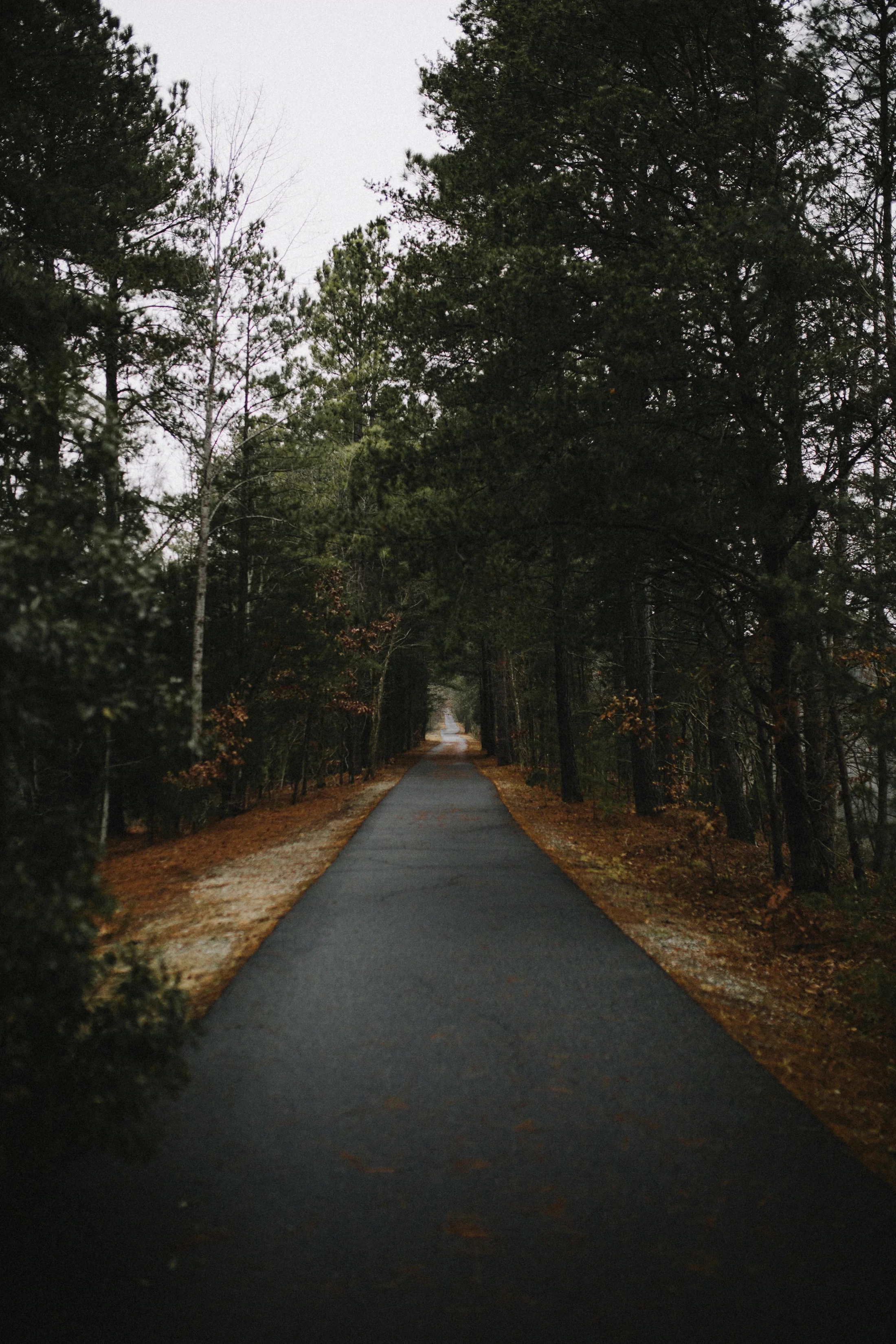
Asphalt scopes
Choose the asphalt scope before you price the pavement
The estimator prices three common asphalt scopes. Compare base condition, overlay suitability, asphalt depth, base depth, access, parking details, and maintenance before drawing the area.
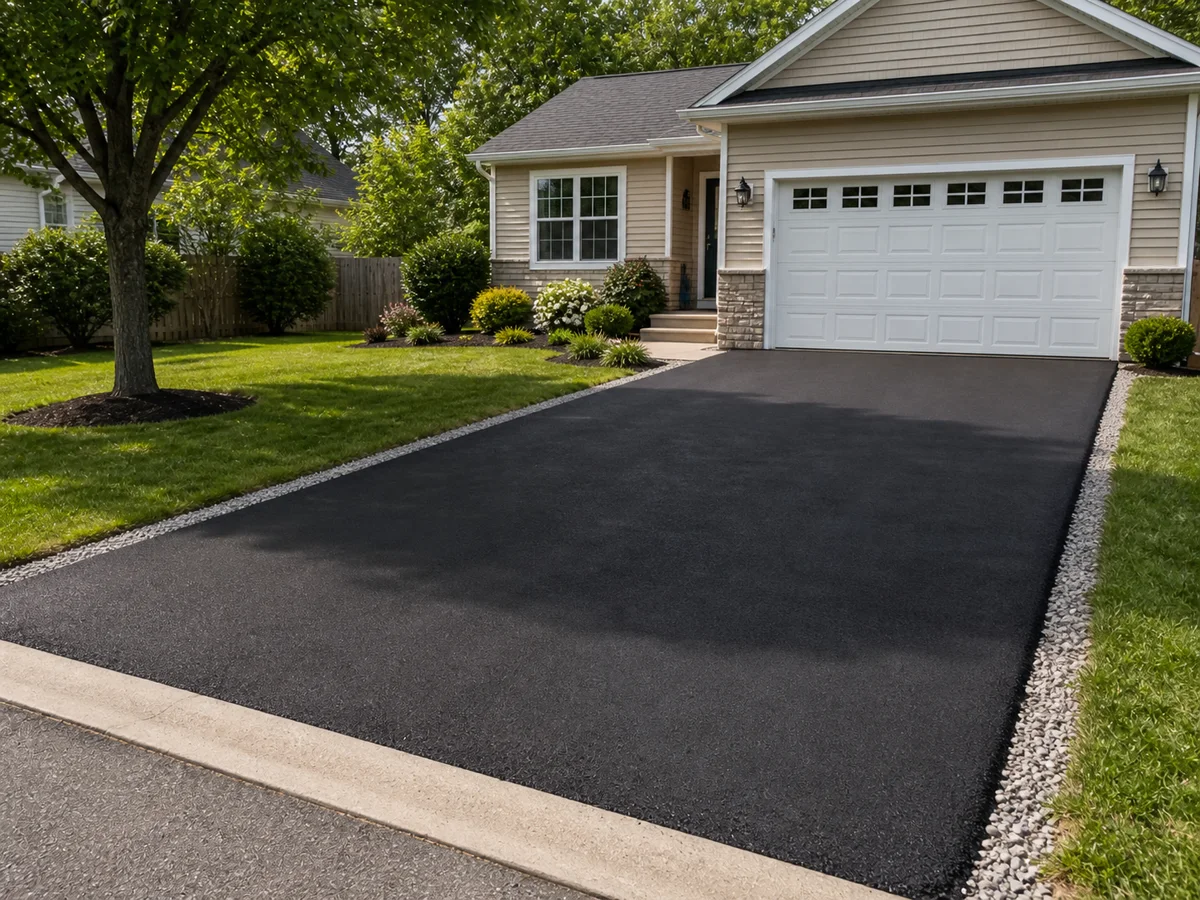
$7 - $10 / sq ft
New asphalt pad
New asphalt pad planning range with base, grading, paving, and compaction assumptions.
- Base allowance
- $950
- Best for
- New residential driveways, driveway extensions, and paved access routes with a planned base
- Maintenance
- Medium
- Lifespan
- 15-25+ years when base depth, compaction, thickness, and maintenance are handled well
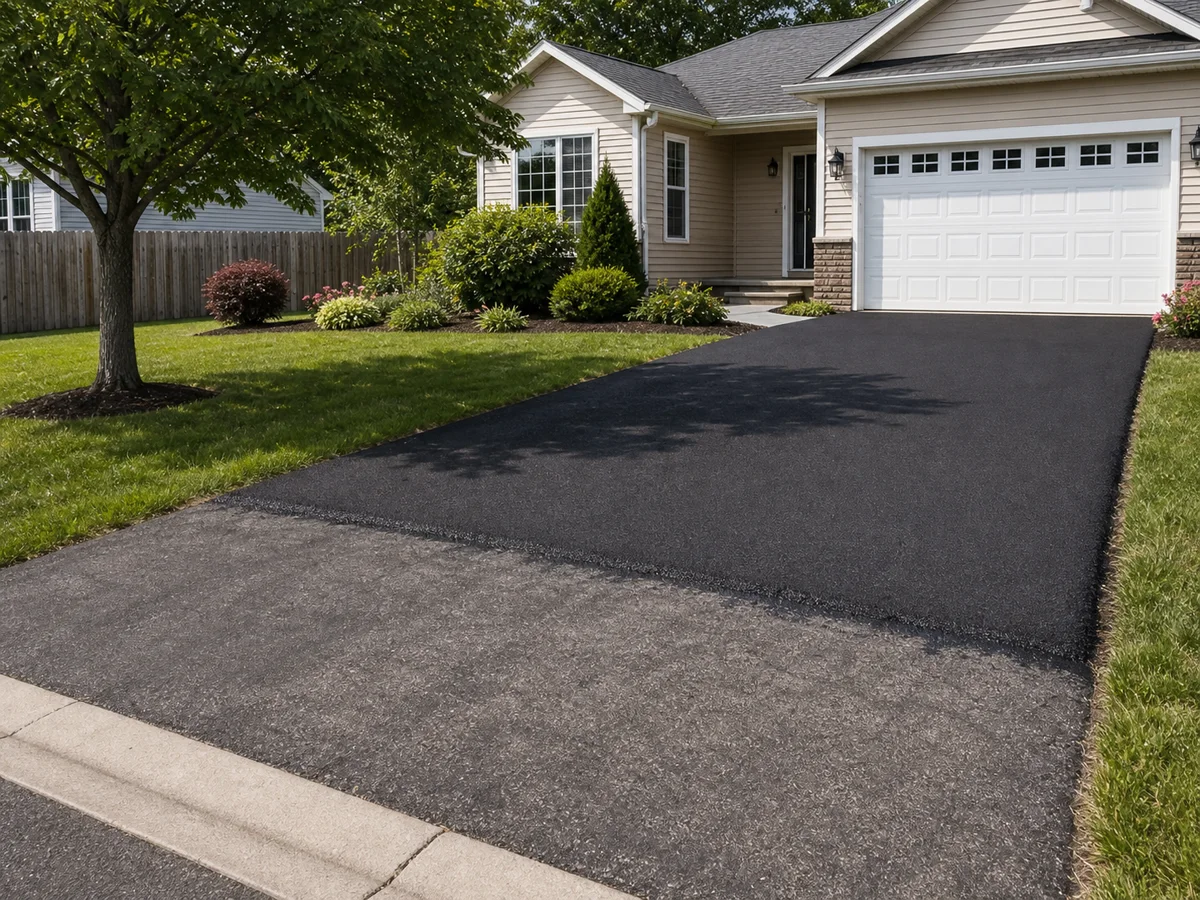
$5 - $7 / sq ft
Asphalt overlay
Overlay planning range for suitable existing pavement with prep and tie-in assumptions.
- Base allowance
- $700
- Best for
- Existing asphalt that is structurally sound but needs a new wearing surface
- Maintenance
- Medium
- Lifespan
- 8-15+ years depending on existing pavement condition, slope, and prep
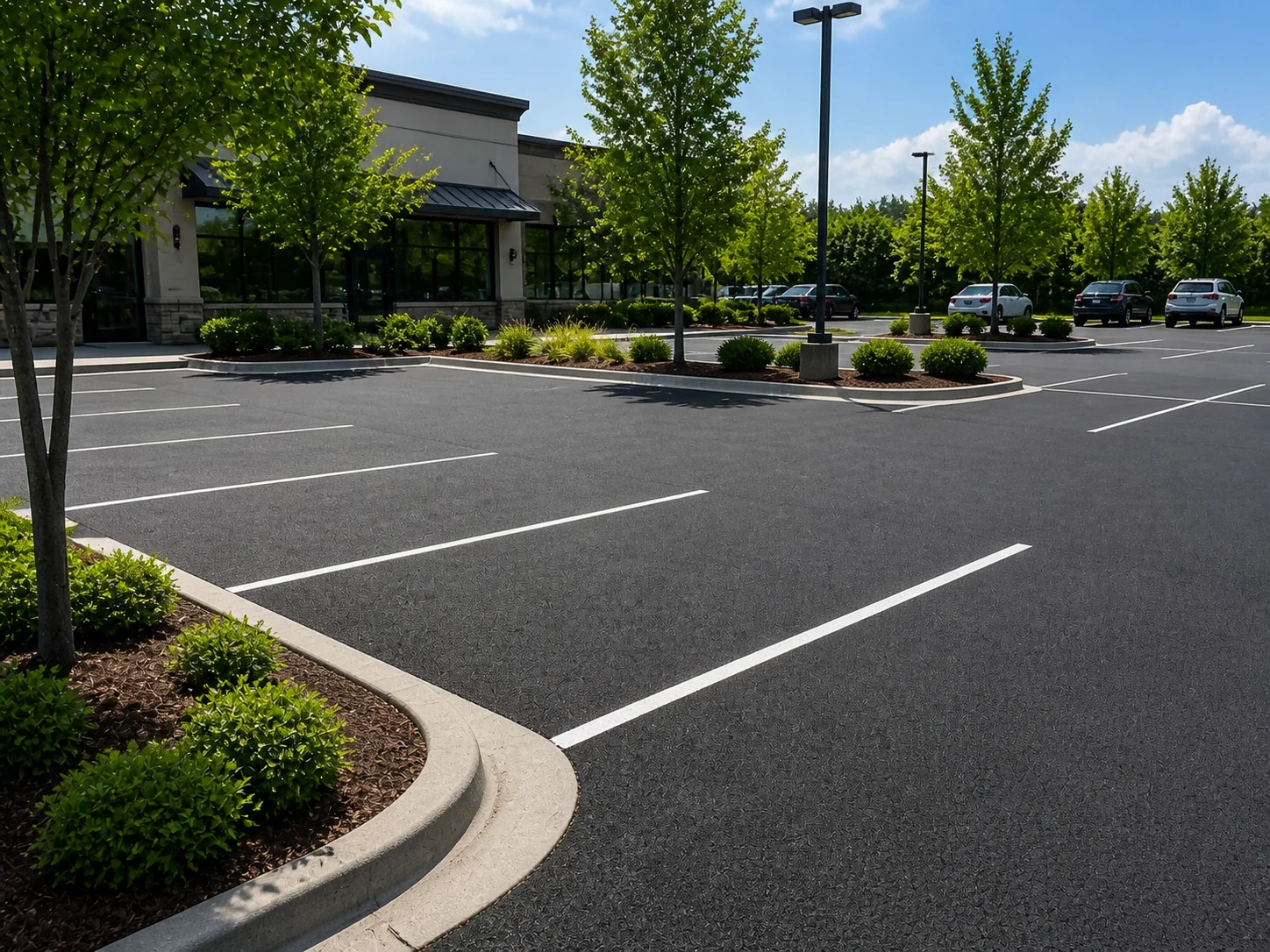
$5 - $7 / sq ft
Parking lot / large paved area
Parking lot and larger paved area planning range with access, grading, striping, and terrain context.
- Base allowance
- $1,200
- Best for
- Parking pads, private lanes, sport courts, shared drives, and larger paved areas
- Maintenance
- Medium
- Lifespan
- 12-25+ years depending on use, base depth, compaction, and load exposure
Base depth and compaction
Most asphalt failures start below the surface. Base depth, compaction, soft spots, vehicle loads, and terrain should be reviewed before pricing.
Overlay versus new asphalt
An overlay can save money when existing pavement is stable. Failed bases, severe cracks, and grade problems usually need removal or a new paving scope instead.
At-a-glance comparison
Compare cost, maintenance, lifespan, and install timing
These planning ranges help compare asphalt scopes before a contractor verifies base depth, thickness, access, demolition, overlay suitability, terrain, and local material availability.
| Asphalt scope | Planning range | Base allowance | Material/labor split | Maintenance | Lifespan | Install time | Best for |
|---|---|---|---|---|---|---|---|
| New asphalt pad | $7 - $10 / sq ft | $950 | $5 materials + $4 labor / sq ft | Medium | 15-25+ years when base depth, compaction, thickness, and maintenance are handled well | 1-3 working days for many residential driveways, plus cure time before heavy use | New residential driveways, driveway extensions, and paved access routes with a planned base |
| Asphalt overlay | $5 - $7 / sq ft | $700 | $3 materials + $3 labor / sq ft | Medium | 8-15+ years depending on existing pavement condition, slope, and prep | 1-2 working days for many residential overlays | Existing asphalt that is structurally sound but needs a new wearing surface |
| Parking lot / large paved area | $5 - $7 / sq ft | $1,200 | $3 materials + $3 labor / sq ft | Medium | 12-25+ years depending on use, base depth, compaction, and load exposure | 2-7+ working days depending on size, access, grading, and traffic control | Parking pads, private lanes, sport courts, shared drives, and larger paved areas |
Detailed asphalt scopes
Materials, equipment, timing, lifespan, and tradeoffs by asphalt scope
Asphalt estimates should account for the pavement and what is below it. Base depth, compaction, thickness, weather, terrain, and tie-ins often determine how long the surface lasts.
01
New asphalt pad
New asphalt pad planning range with base, grading, paving, and compaction assumptions.
$7 - $10 / sq ft$950 base allowance$5 materials + $4 labor / sq ft1-3 working days for many residential driveways, plus cure time before heavy use15-25+ years when base depth, compaction, thickness, and maintenance are handled wellModerate complexity
Materials and components
- Hot mix asphalt
- Compacted aggregate base
- Subbase or geotextile fabric when needed
- Tack coat where tying into existing pavement
- Asphalt binder and surface course when specified
- Shoulder material where needed
- Site-grading material where needed
- Apron or transition materials
- Sealcoat planned for a later maintenance cycle
Tools and equipment
- Skid steer or compact excavator
- Dump truck
- Asphalt paver or small paving machine
- Plate compactor or roller
- Rake, lute, and hand tools
- Asphalt saw or cutoff saw
- Laser level or grading tools
- Traffic cones and access protection
Install timing and crew notes
New asphalt depends on grading, base depth, compaction, paving temperature, roller timing, terrain, and truck access. Weather can affect the schedule.
Longevity and maintenance
Asphalt lasts longer when water drains away, edges are supported, cracks are sealed, and heavy loads are avoided until the surface has hardened.
Cost drivers and tradeoffs
- Usually less expensive than a full concrete driveway
- Needs periodic maintenance such as crack filling and sealcoating
- Base quality is the main durability driver
- Edges can break down if they are unsupported or wet
02
Asphalt overlay
Overlay planning range for suitable existing pavement with prep and tie-in assumptions.
$5 - $7 / sq ft$700 base allowance$3 materials + $3 labor / sq ft1-2 working days for many residential overlays8-15+ years depending on existing pavement condition, slope, and prepModerate complexity
Materials and components
- Hot mix asphalt overlay
- Tack coat
- Leveling course where needed
- Crack repair material
- Patch material for failed spots
- Milling or edge grinding near transitions
- Surface prep and grading material where needed
- Shoulder material
- Sealcoat planned for future maintenance
Tools and equipment
- Asphalt paver or paving box
- Roller
- Skid steer or loader
- Asphalt saw
- Crack cleaning and prep tools
- Rake, lute, and hand tools
- Blower or sweeper
- Dump truck
Install timing and crew notes
Overlay work depends on whether the old pavement is a good candidate. Cracks, potholes, heaving, standing water, and height at garage or sidewalk tie-ins should be checked first.
Longevity and maintenance
An overlay only performs as well as the pavement below it. Existing cracks and base problems can reflect through the new surface.
Cost drivers and tradeoffs
- Lower planning range than full removal and new paving
- Not appropriate for failed bases or severe standing-water problems
- Tie-ins and height changes can require milling
- Good option when the existing driveway is still stable
03
Parking lot / large paved area
Parking lot and larger paved area planning range with access, grading, striping, and terrain context.
$5 - $7 / sq ft$1,200 base allowance$3 materials + $3 labor / sq ft2-7+ working days depending on size, access, grading, and traffic control12-25+ years depending on use, base depth, compaction, and load exposureHigh complexity
Materials and components
- Hot mix asphalt
- Aggregate base and subbase
- Geotextile fabric when needed
- Binder and surface course when specified
- Tack coat at tie-ins
- Runoff swales or grading transitions
- Curb transitions
- Striping or marking paint where needed
- Sealcoat planned for future maintenance
Tools and equipment
- Asphalt paver
- Rollers
- Skid steer, loader, or grader
- Dump trucks
- Compaction equipment
- Asphalt saw
- Laser grading tools
- Traffic control and staging equipment
Install timing and crew notes
Large paved areas require more grading, staging, truck coordination, compaction, and sometimes traffic control than a standard driveway.
Longevity and maintenance
Base depth, compaction, vehicle loads, turning movements, and terrain strongly affect rutting, cracking, and edge breakdown.
Cost drivers and tradeoffs
- Economies of scale can help on larger square footage
- Grading and site prep can dominate the scope
- Heavy loads may require thicker sections
- Striping, curbs, and access control can add cost
Maintenance and design context
Popular asphalt options to consider
These are common asphalt-related choices to discuss with contractors. Some are maintenance items or regional alternatives rather than the same scope as a properly paved hot-mix driveway.
Planning context
Sealcoating
Maintenance after the asphalt has cured and aged enough for coatingSealcoat can refresh appearance and slow weathering, but it does not fix failed base, alligator cracking, potholes, or standing-water problems.Planning context
Asphalt millings
Lower-cost rural drives, temporary surfaces, and large informal parking areasMillings are not the same as new hot mix asphalt. Compaction, dust, slope, and local availability should be discussed.Planning context
Chip seal or tar-and-chip
Rural driveways that need a textured, lower-cost wearing surfaceAvailability varies by region. Loose stone, snow plowing, edge control, and texture expectations should be reviewed.Planning context
Apron and tie-in work
Garage thresholds, sidewalks, street aprons, and transitions to concrete or gravelHeight, saw cutting, milling, permits, and right-of-way rules can make tie-ins more important than they look.Asphalt scope items
Items worth including before you request asphalt quotes
Asphalt bids change quickly when base repair, demolition, thickness, compaction, terrain, weather, and maintenance expectations are discovered later.
Base repair
Soft spots, rutting, potholes, and alligator cracking often require base repair before new asphalt is placed.
Removal and haul-off
Removing existing asphalt needs cutting, excavation, hauling, disposal or recycling, and base inspection before new paving.
Grading and runoff
Asphalt should shed water quickly. Low spots, garage entries, aprons, and downspouts can require grading or contractor review.
Thickness and lifts
Driveways, parking areas, and heavy vehicles may need different asphalt thickness, base depth, or multiple lifts.
Compaction
Proper rolling temperature, roller size, and compaction passes affect density, strength, and long-term performance.
Edges and shoulders
Unsupported edges break down faster. Gravel shoulders, curbs, or clean edge transitions help protect the pavement.
Weather window
Asphalt is temperature-sensitive. Cold weather, rain, and long hauling distance can affect finish and compaction.
Sealcoat and crack fill
Maintenance planning helps extend surface life, but sealcoat and crack fill should not be confused with structural repair.
Asphalt planning guide
What to think through before requesting asphalt quotes
A useful asphalt request explains the area, existing condition, use, base depth, thickness, terrain, access, maintenance expectations, and any right-of-way concerns.
Footprint and use
Draw the driveway, overlay area, parking pad, private lane, or paved surface around how vehicles will move and turn.
Existing pavement condition
Cracks, potholes, rutting, heaving, standing water, and soft base determine whether an overlay is realistic or removal should be included.
Base and subbase
Aggregate depth, compaction, fabric, soft soil, and base repair are often the biggest durability factors.
Thickness and traffic loads
Passenger cars, trailers, RVs, delivery trucks, and turning movements can require different asphalt and base assumptions.
Slope and runoff
Water should move away from the house, garage, pavement surface, and low spots to reduce freeze/thaw and base failure.
Edges and transitions
Garage thresholds, street aprons, sidewalks, gravel drives, curbs, and concrete tie-ins affect height and finish details.
Demolition and access
Removal, haul-off, truck staging, gate width, slopes, and access to the paving area can change labor and schedule.
Weather and curing
Asphalt needs appropriate weather and time before heavy loads, sharp turns, trailers, or stands are placed on it.
Permits and right-of-way
Driveway aprons, sidewalks, grade changes, road connections, and public right-of-way work may require approval.
Quote prep checklist
What your asphalt plan should include
The clearer the asphalt plan is before the first site visit, the easier it is to compare bids. This is planning-grade information and does not replace field measurements, permits, terrain review, or contractor review.
- Asphalt footprint with driveway, overlay, parking, apron, and tie-in areas marked
- Preferred scope: new driveway, asphalt overlay, or parking/large paved area
- Photos of cracks, potholes, rutting, garage threshold, street apron, low spots, and access route
- Notes for base repair, removal, haul-off, soft spots, slopes, standing water, or heavy vehicle use
- Thickness, shoulder, apron, tie-in, sealcoat, striping, and crack-fill expectations
- Access, staging, weather timing, traffic control, and cure-time concerns
- Permit, right-of-way, HOA, utility, terrain, and inspection notes
Start with the property map
Draw the asphalt area, then plan the pavement details.
Outline the driveway, overlay, parking lot, or paved area, choose the scope, add base repair, demolition, sealcoat, striping, and terrain assumptions, then request quotes when the scope is clearer.